
Webbing
On the spec sheet: Webbing · Hardware
What it is
The woven strap on packs and tents: nylon stretches a little and is strong, polypropylene is cheaper and floats, polyester sits between them.
Hardwares: The small parts that fail first: zippers, buckles, cord locks, stakes, grommets. The maker's name on a zipper is one of the few quality signals you can read on a spec sheet.
Wikidata: Strong fabric woven as a flat strip or tube used instead of rope. Q2490558 →
In the research
3 PubMed papers mention it with camping, hypothermia, textiles or water treatment; the three most recent:
- Test methods and response surface models for hot, humid air decontamination of materials contaminated with dirty spores of Bacillus anthracis ∆Sterne and Bacillus thuringiensis Al · Journal of applied microbiology, 2015
- A textile-based wearable sensing device designed for monitoring the flexion angle of elbow and knee movements · Sensors (Basel, Switzerland), 2014
- The effect of tensile hysteresis and contact resistance on the performance of strain-resistant elastic-conductive webbing · Sensors (Basel, Switzerland), 2011
A paper is a paper, not a verdict: titles are listed so you can read them, and a study on one fabric or one filter says little about the item in your pack.
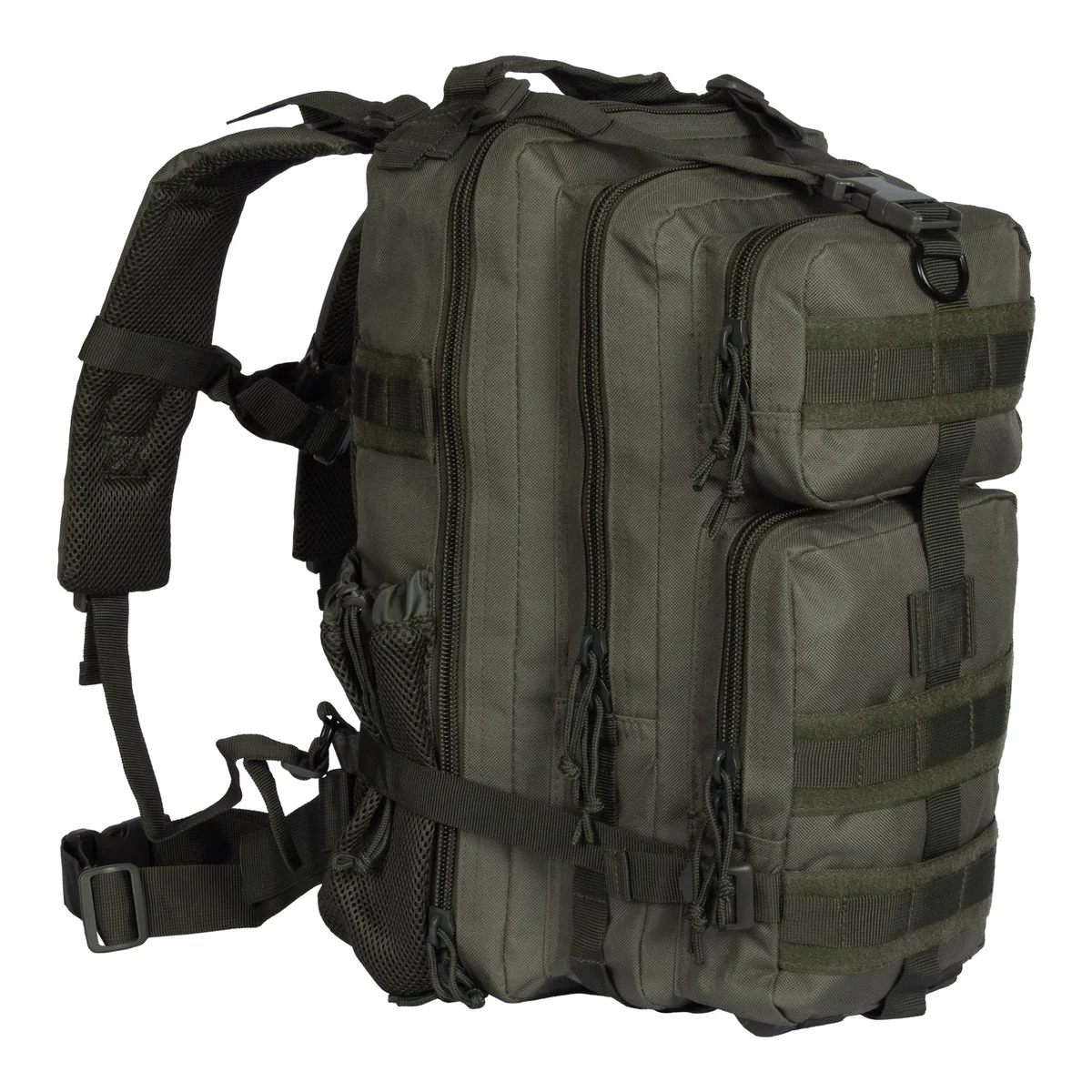
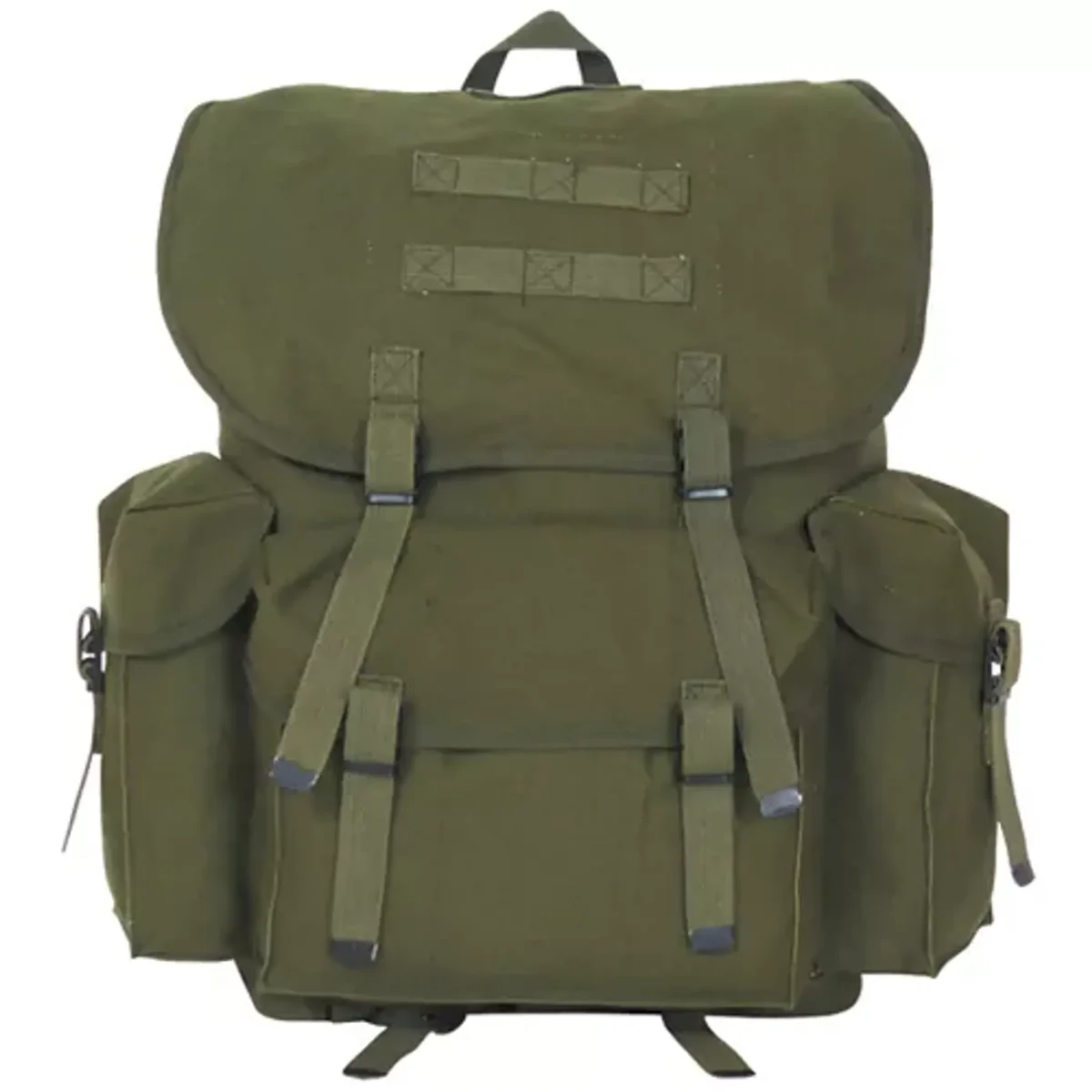
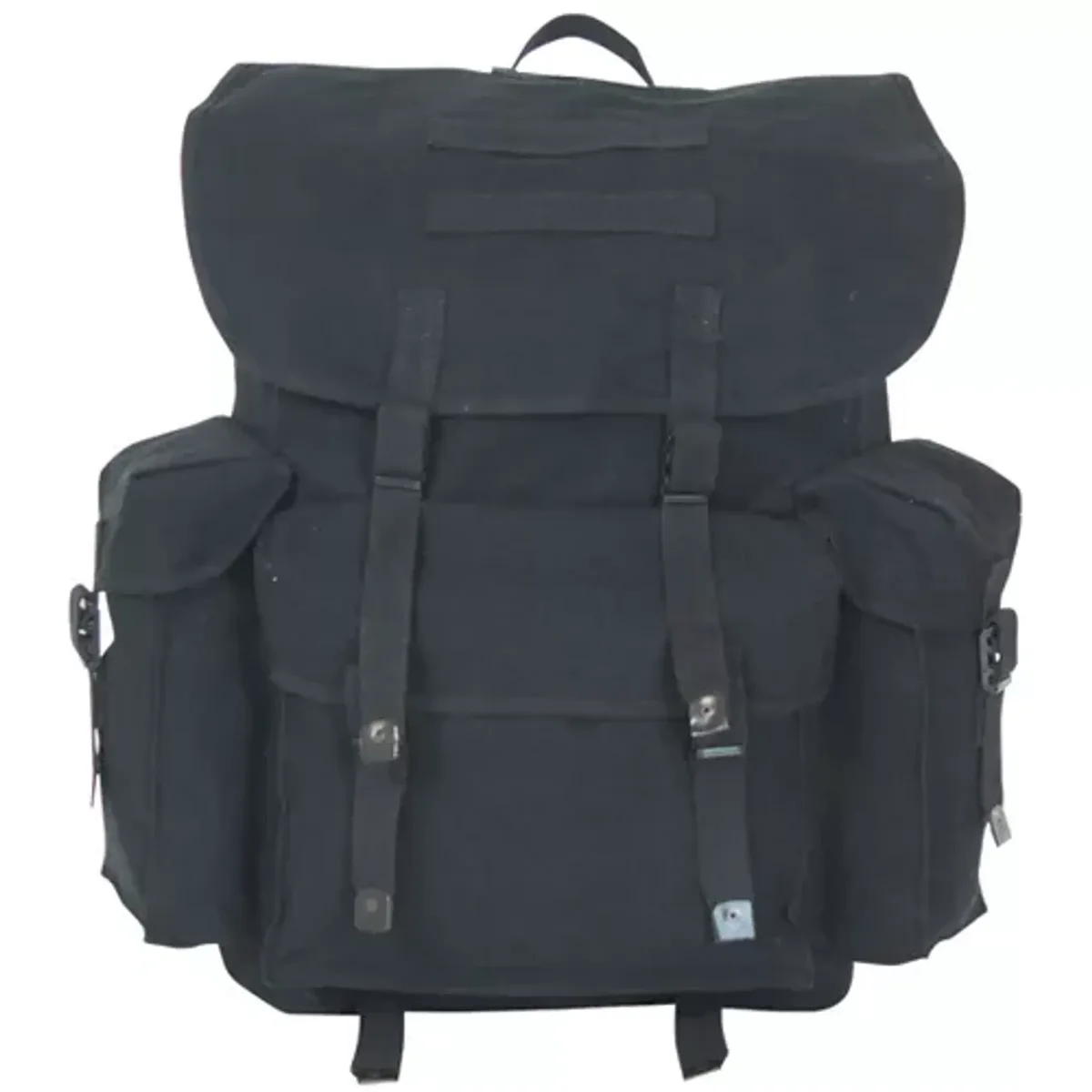
Gear whose listing names it
2 on the siteMatched from the words in the supplier's listing; the full spec line is on each product page.

Other hardwares
Trail & Lantern describes materials and ratings from the public record and does not test gear; what a listing states is the supplier's statement. A rating is a lab number: the night, the wind and the person change it, and the ranger station has the last word on conditions.