
Polypropylene
On the spec sheet: Polypropylene (PP) · Cookware
What it is
A light, cheap, food-safe plastic for cutlery, bowls and bottle lids; it softens with heat and gets brittle in the cold.
Cookwares: Pot and pan materials: aluminum (anodized or not), titanium, stainless, cast iron, enamel. Weight, heat spread and what you can and cannot cook in it.
Wikidata: Polymer. Q146174 →
In the research
398 PubMed papers mention it with camping, hypothermia, textiles or water treatment; the three most recent:
- Synergistic Effect of Chopped Fibers and Basalt Fiber Textile on Concrete Flexural Behavior · Materials (Basel, Switzerland), 2026
- Supercritical CO(2)-Assisted Fabrication of Environmentally Friendly Poly(Propylene Carbonate)/Poly(Butylene Adipate-co-Terephthalate)/Epoxidized Soybean Oil (PPC/PBAT/ESO) Lightwe · Chemistry (Weinheim an der Bergstrasse, Germany), 2026
- Improving the High-Temperature Mechanical Properties and DC Electrical Properties of Polypropylene Insulation Materials through Grafting and Cross-Linking Modification · Langmuir : the ACS journal of surfaces and colloids, 2026
A paper is a paper, not a verdict: titles are listed so you can read them, and a study on one fabric or one filter says little about the item in your pack.
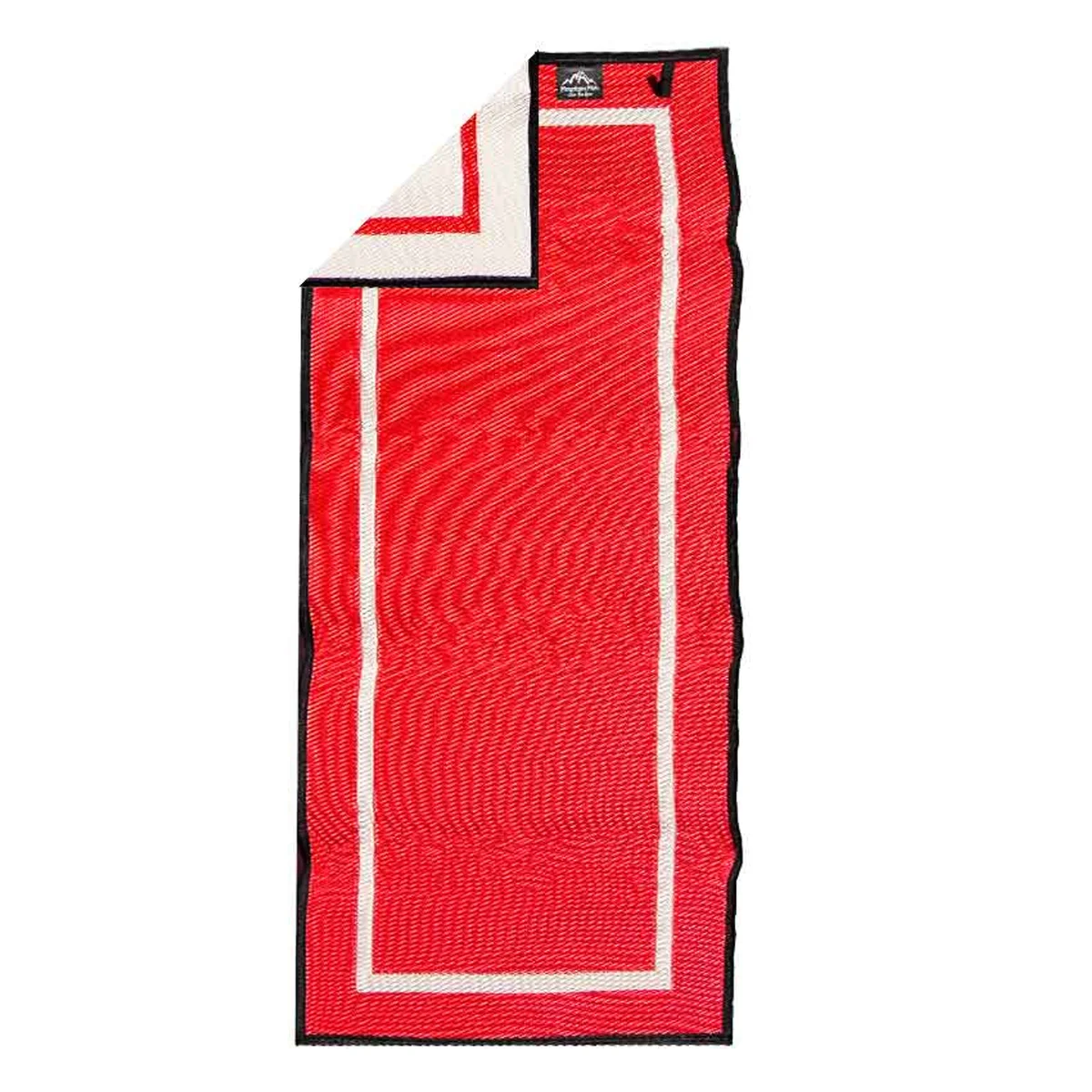
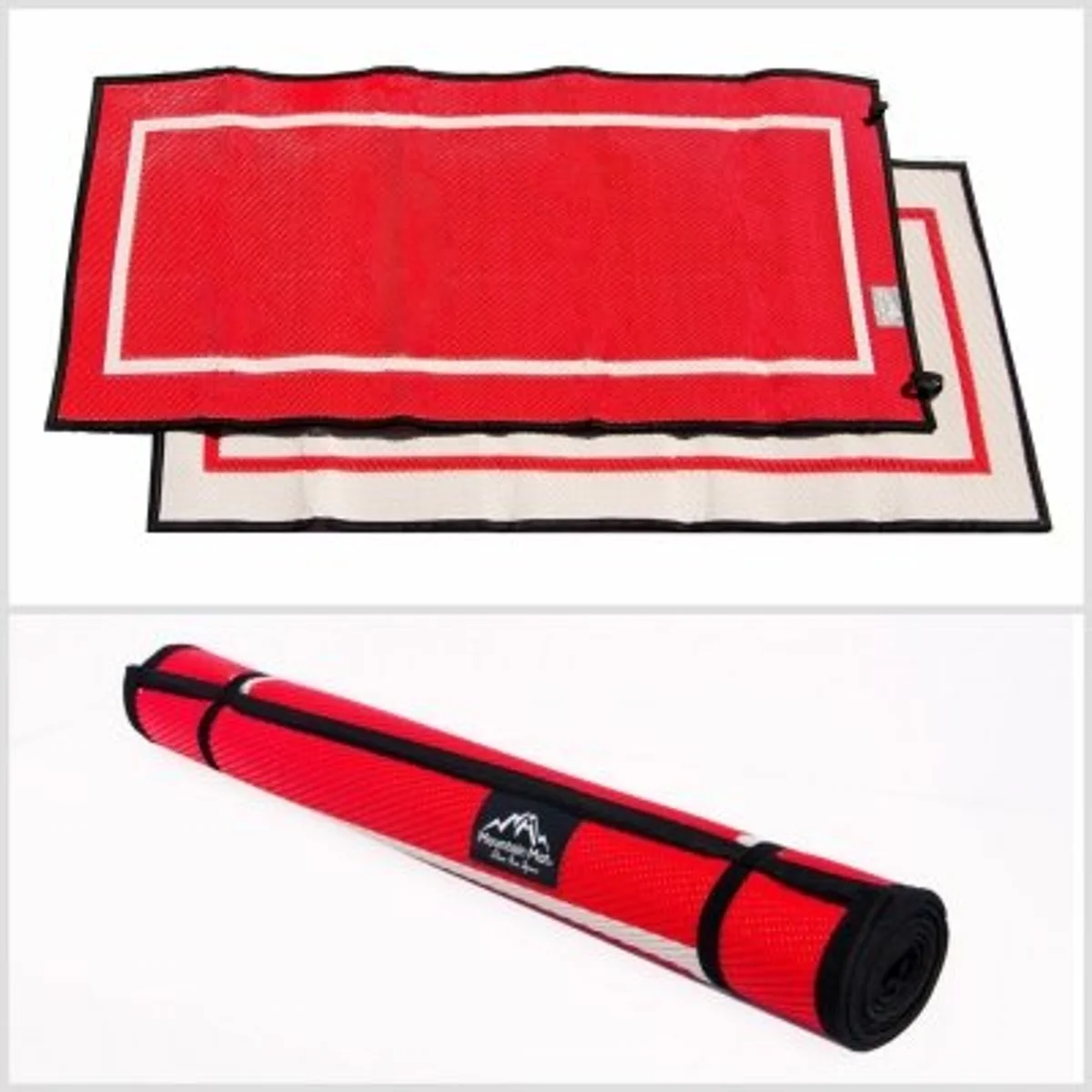
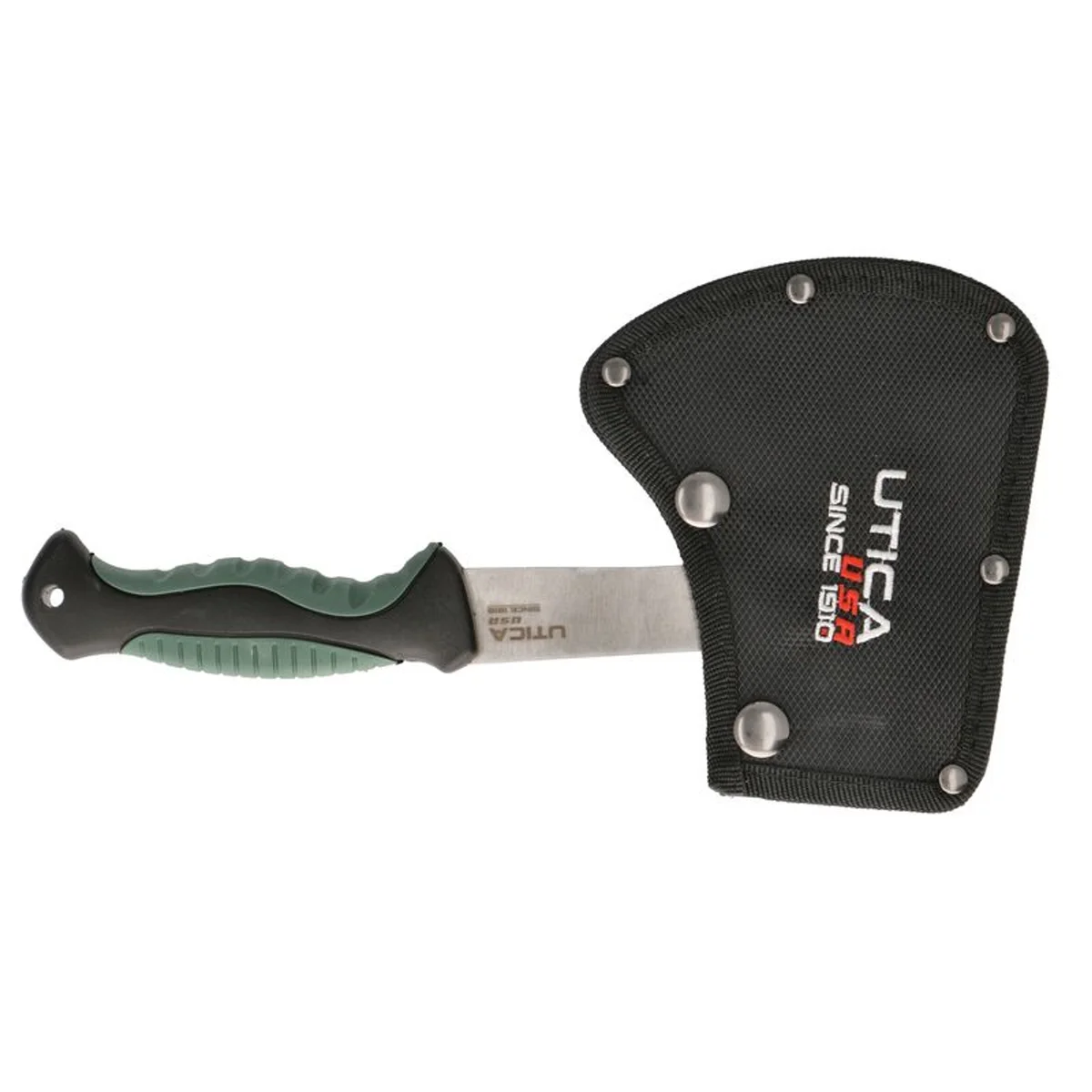
Gear whose listing names it
2 on the siteMatched from the words in the supplier's listing; the full spec line is on each product page.

Other cookwares
Trail & Lantern describes materials and ratings from the public record and does not test gear; what a listing states is the supplier's statement. A rating is a lab number: the night, the wind and the person change it, and the ranger station has the last word on conditions.