
Silicone
On the spec sheet: Silicone · Cookware
What it is
Flexible, heat-resistant (to about 200°C) material for collapsible bowls, cups and utensils; light and packable, and it holds smells.
Cookwares: Pot and pan materials: aluminum (anodized or not), titanium, stainless, cast iron, enamel. Weight, heat spread and what you can and cannot cook in it.
Wikidata: Class of liquid or rubbery, heat-resistant, stable substance consisting of polymers or oligomers of siloxane with other atoms. Q146439 →
In the research
364 PubMed papers mention it with camping, hypothermia, textiles or water treatment; the three most recent:
- Thermal Transport and Functional Properties of Conformal Coatings for Automotive Electronics · Materials (Basel, Switzerland), 2026
- Mechanically resilient, hybrid silicone aerogel for thermal insulation, daytime radiative cooling and sustained flame protection · Nature communications, 2026
- Equipping chitosan cryogels with a silicon armor for integrated elasticity, hydrophobicity, and flame retardancy · Carbohydrate polymers, 2026
A paper is a paper, not a verdict: titles are listed so you can read them, and a study on one fabric or one filter says little about the item in your pack.
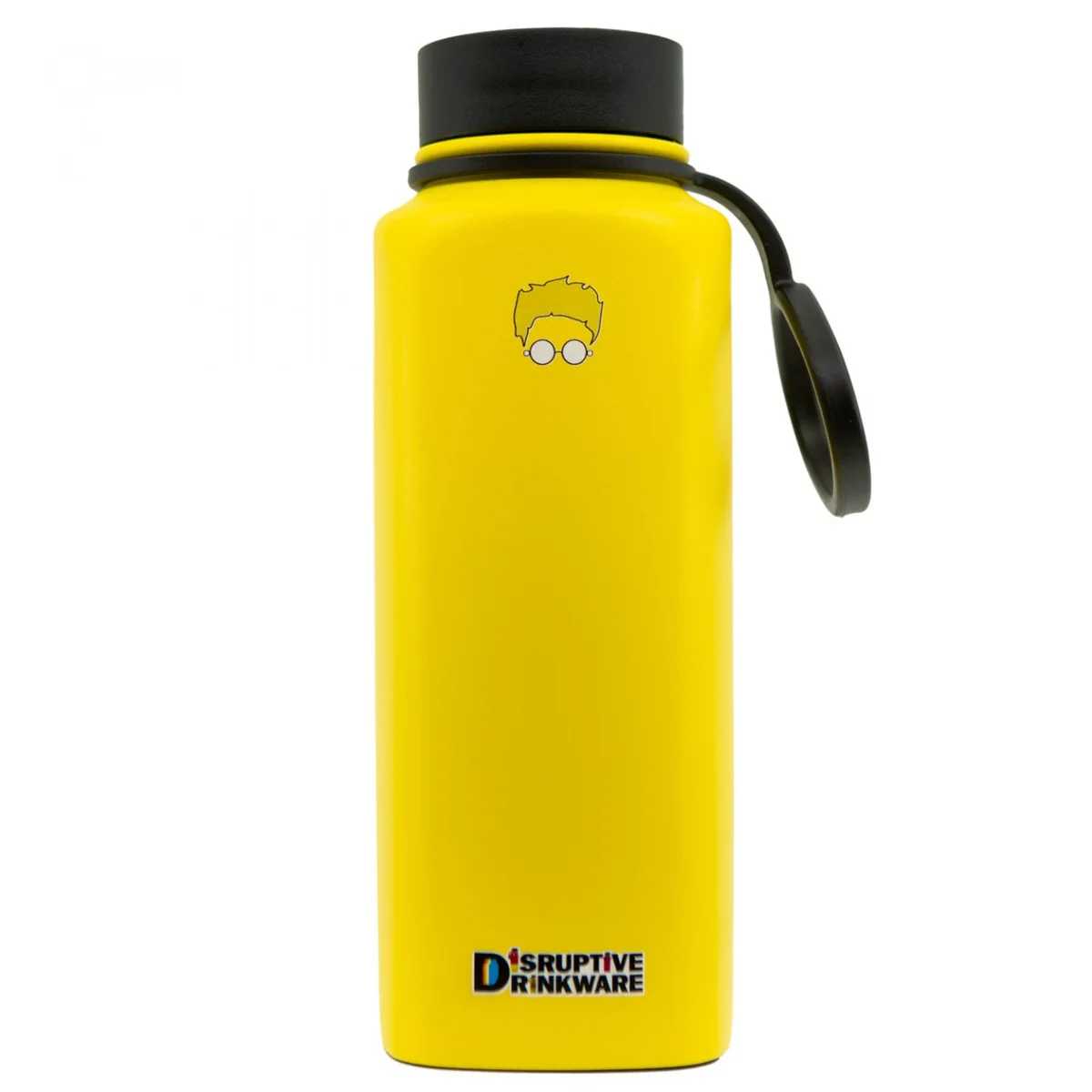
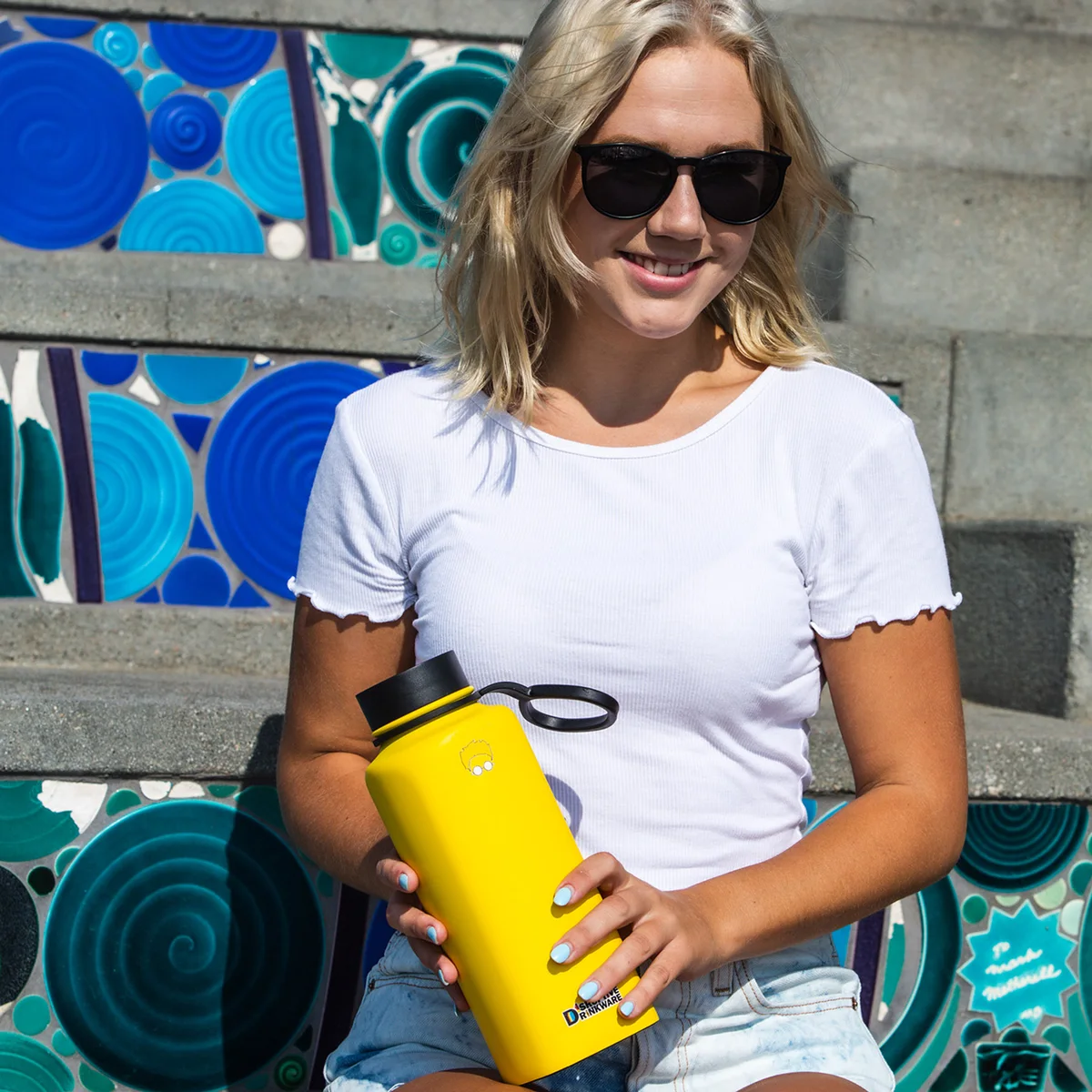
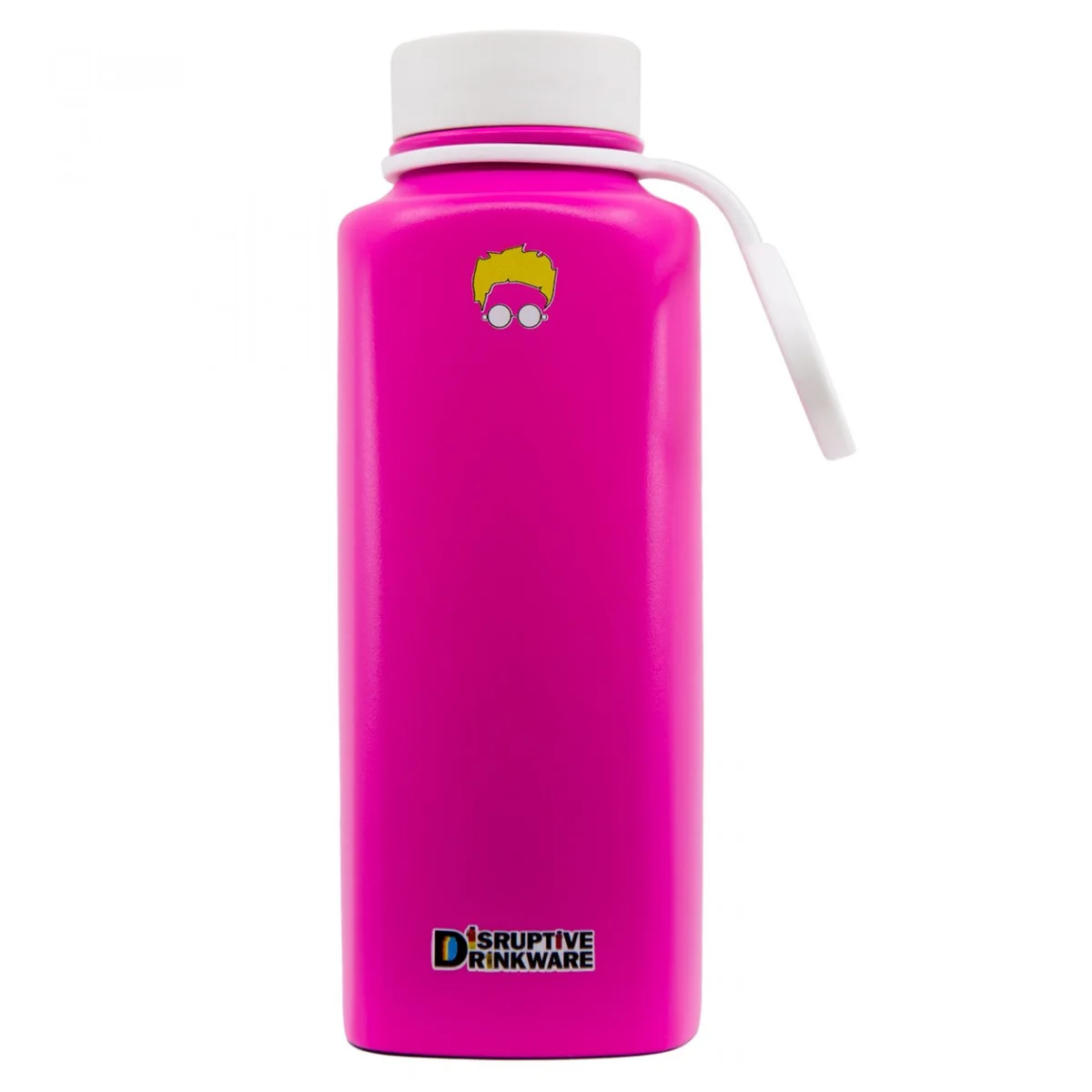
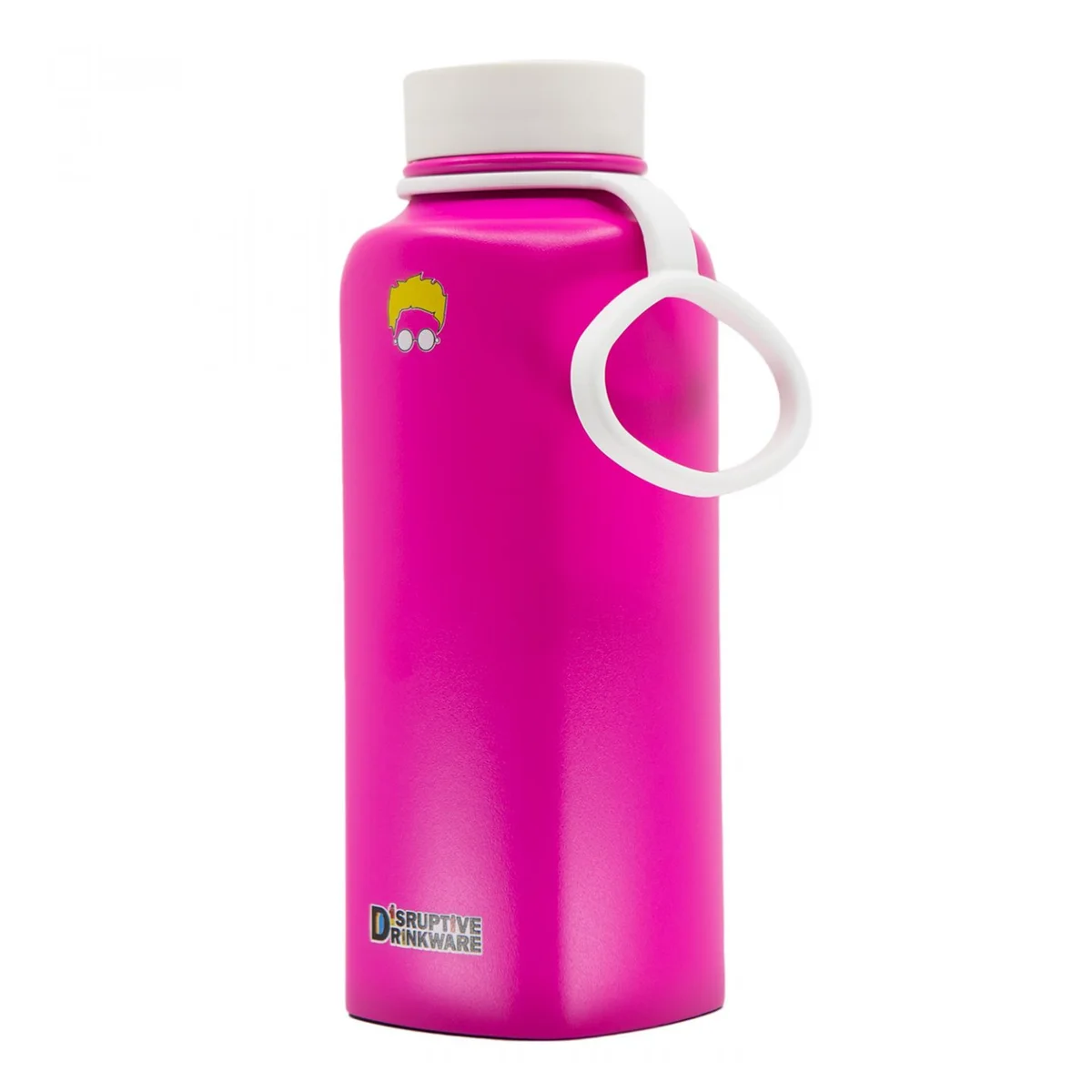
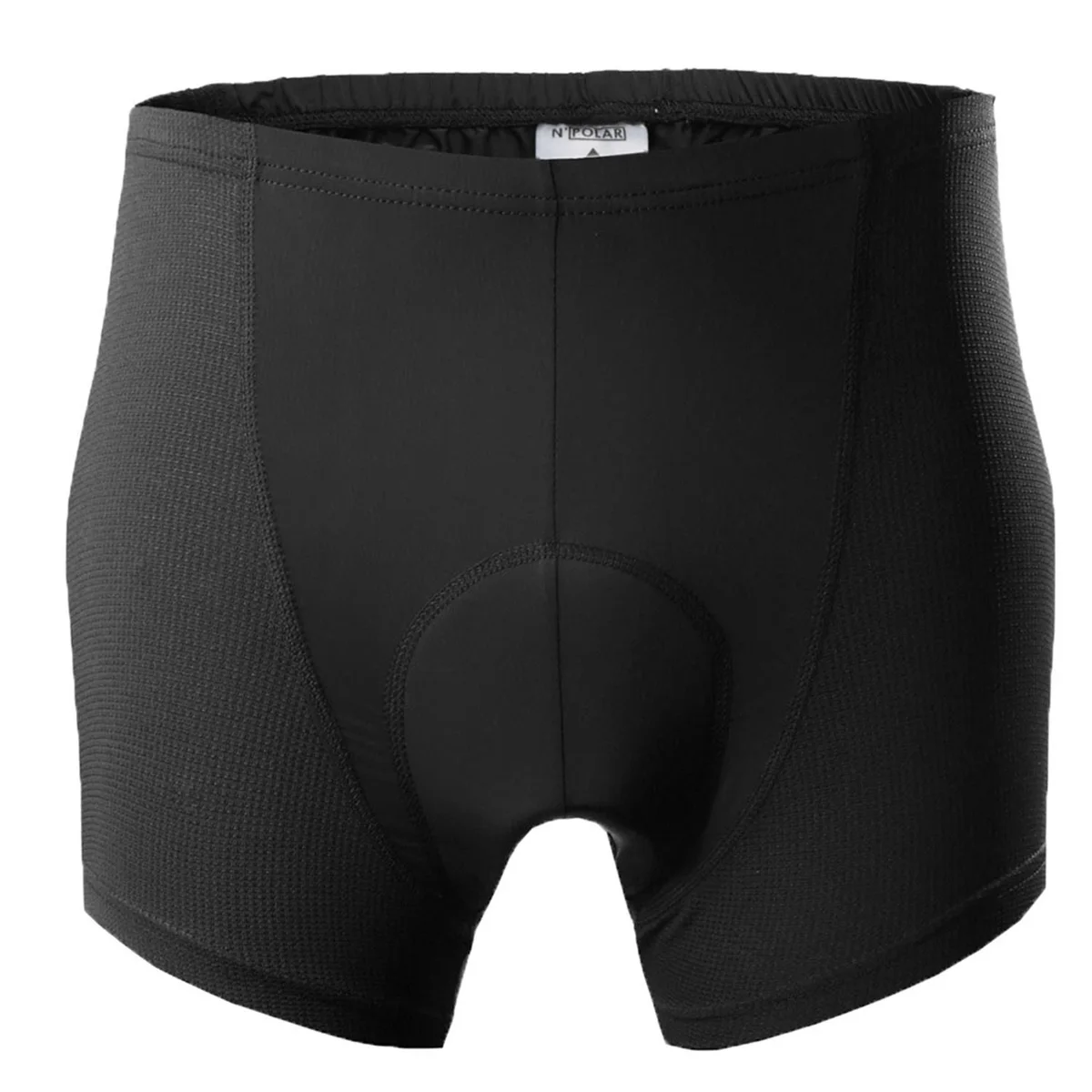
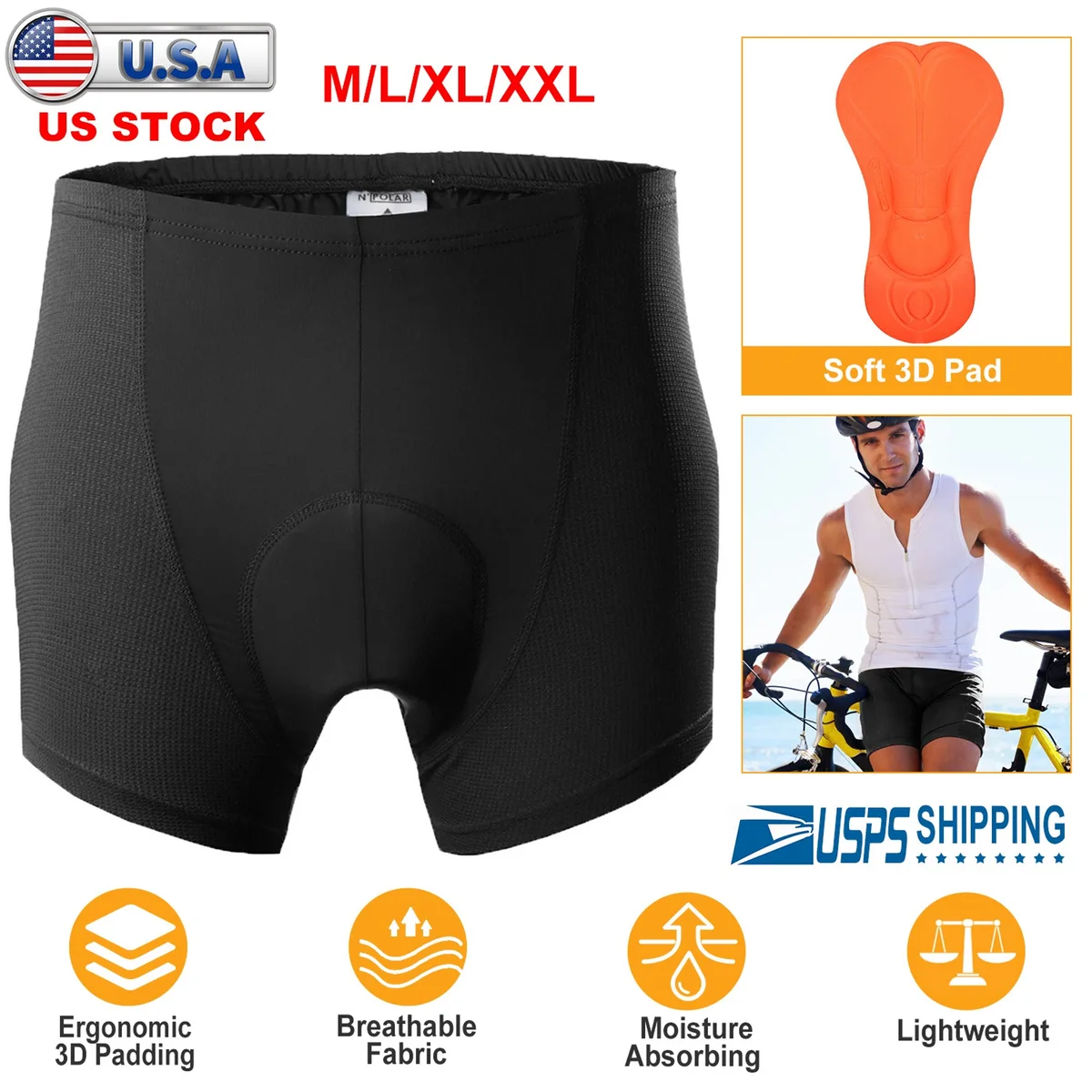
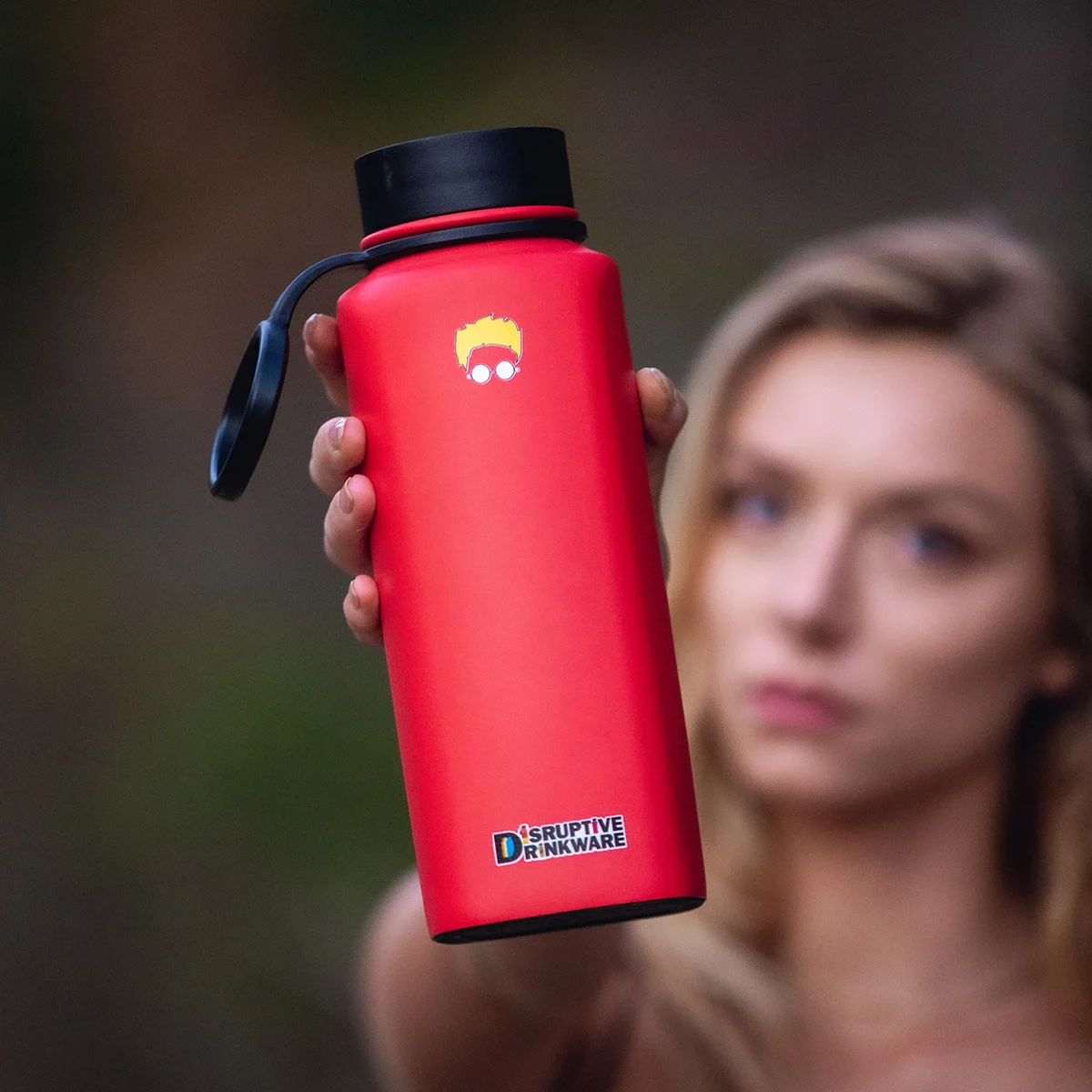
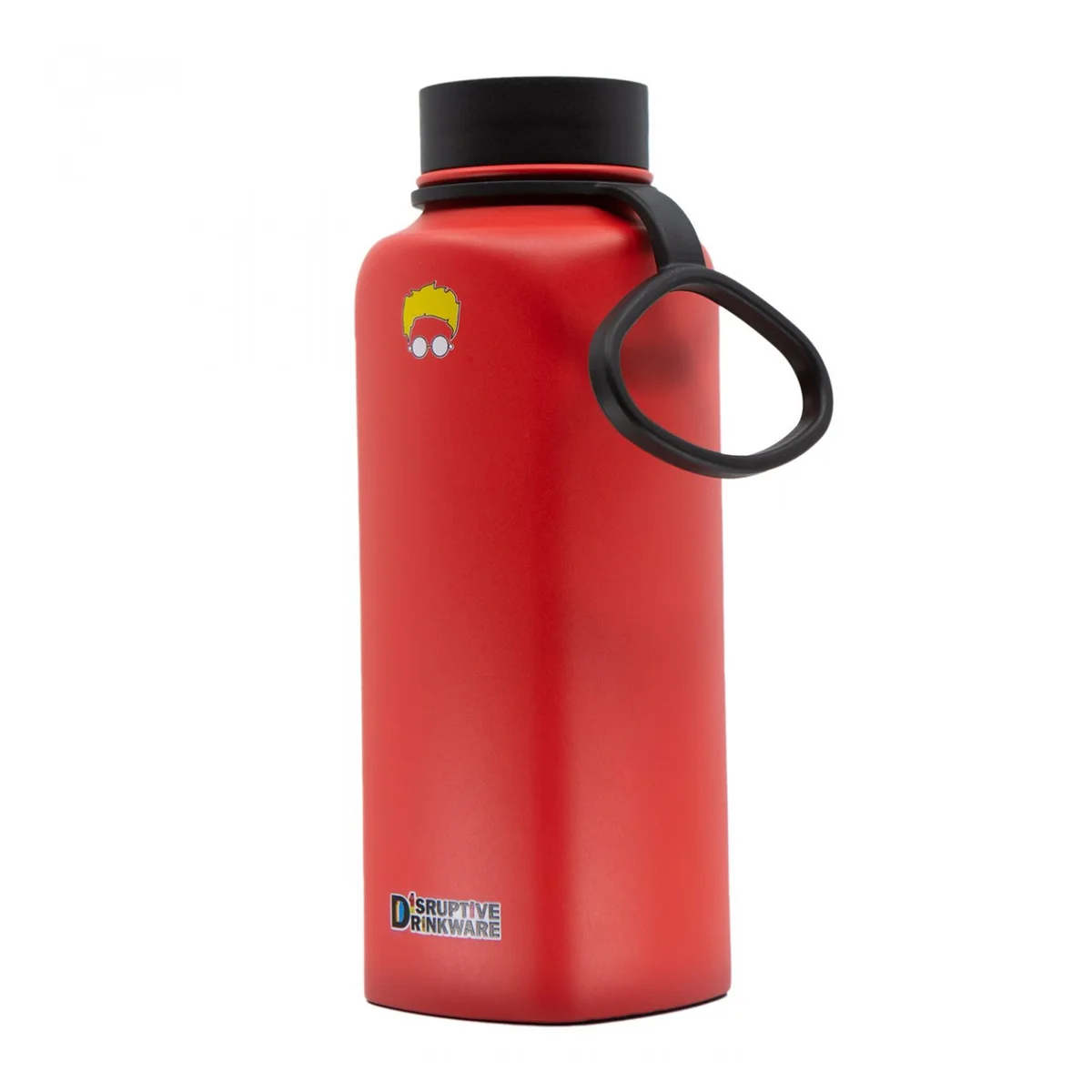
Gear whose listing names it
5 on the siteMatched from the words in the supplier's listing; the full spec line is on each product page.
Other cookwares
Trail & Lantern describes materials and ratings from the public record and does not test gear; what a listing states is the supplier's statement. A rating is a lab number: the night, the wind and the person change it, and the ranger station has the last word on conditions.